

Recognition of Dr. Gary W. LaVigna and Dr. Thomas J. Willis
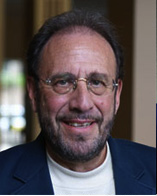
Dr. Gary W. LaVigna
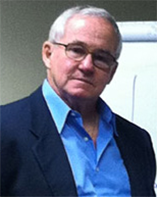
Dr. Thomas J. Willis
It is with the utmost respect and admiration that I write this for Dr. Gary W. LaVigna and Dr. Thomas J. Willis, whose collective contributions to the field of Applied Behavior Analysis (ABA) and Positive Behaviour Support (PBS) have profoundly influenced practice, policy, and training across the world for more than four decades.
Significance of Contributions
Dr. LaVigna and Dr. Willis are the founding figures of IABA and the architects of the Multi-Element Behaviour Support (MEBS) framework, one of the most comprehensive and ethically grounded models for supporting individuals who exhibit behaviours of concern. Their work bridged the gap between science and compassion, operationalising behaviour analysis into a humanistic, person-centred model that emphasizes quality of life, positive programming, and the use of the least restrictive, most constructive methods.Their research and publications, particularly The Periodic Service Review, Challenging Behavior: A Model for Breaking the Barriers to Social and Community Integration, and numerous peer-reviewed papers, have become foundational texts in the field. These works have transformed global standards for service delivery, staff training, and clinical governance.
Quality and Impact of Contributions
The quality of their scholarship is evidenced by its enduring application and the breadth of adoption of their methods across education, disability, mental health, and justice systems. Their empirical and conceptual work has been cited in hundreds of academic papers, referenced in national policy documents, and embedded in university curricula worldwide.
Most importantly, the practical impact of their contributions is visible in the lives of thousands of individuals with disabilities and their families, who now receive dignified, effective, and person-centred support. Their framework has set the ethical and clinical benchmark for positive behaviour support internationally.
Years of Significant Effort
For more than 45 years, Dr. LaVigna and Dr. Willis have maintained an active and sustained contribution to the field—through research, clinical leadership, international training, supervision, and consultation. Their enduring commitment has shaped generations of practitioners, and their mentorship continues to influence the next wave of researchers and clinicians dedicated to compassionate, evidence-based support.
Geographic Range of Contributions
The influence of their work is international in scope. The MEBS framework have been adopted or adapted in North America, Europe, Asia, and Australia, and have informed public policy and service frameworks in multiple jurisdictions. Both Dr. LaVigna and Dr. Willis have delivered training and consultation across more than 20 countries, advancing behaviour support practice on a global scale and fostering international collaboration in constructional applied behaviour analysis.
Professional Influence
"I have had the privilege of knowing Dr. Gary LaVigna and Dr. Thomas Willis for over thirty-five years, during which time I have benefited greatly from their ongoing mentorship, guidance, and training. Their influence has profoundly shaped my professional development and research interests—particularly in the study of situational effects, a cornerstone of their pioneering work on alternatives to restrictive or aversive practices in the support of individuals experiencing behavioural crises."
Underpinned by their mentorship and theoretical framework, I have since established with my wife Kylie an award-winning service that delivers Multi-Element Behaviour Support (MEBS) to more than 1,500 individuals, reflecting the enduring impact and practical applicability of their contributions to the field.
— Dr. Geoff Potter, Chief Clinical Officer, Centre for Positive Behaviour Support
A Lasting Legacy
Few professionals have had such an enduring and transformative impact on the science and practice of behaviour support as Dr. LaVigna and Dr. Willis. Their collective contributions have redefined what it means to provide ethical, compassionate, and effective support to people with disabilities. Their legacy is not only measured in publications or programmes, but in the profound and positive change they have inspired across the world.